
A Documentary on Indigenous Land Loss and the Power of Storytelling
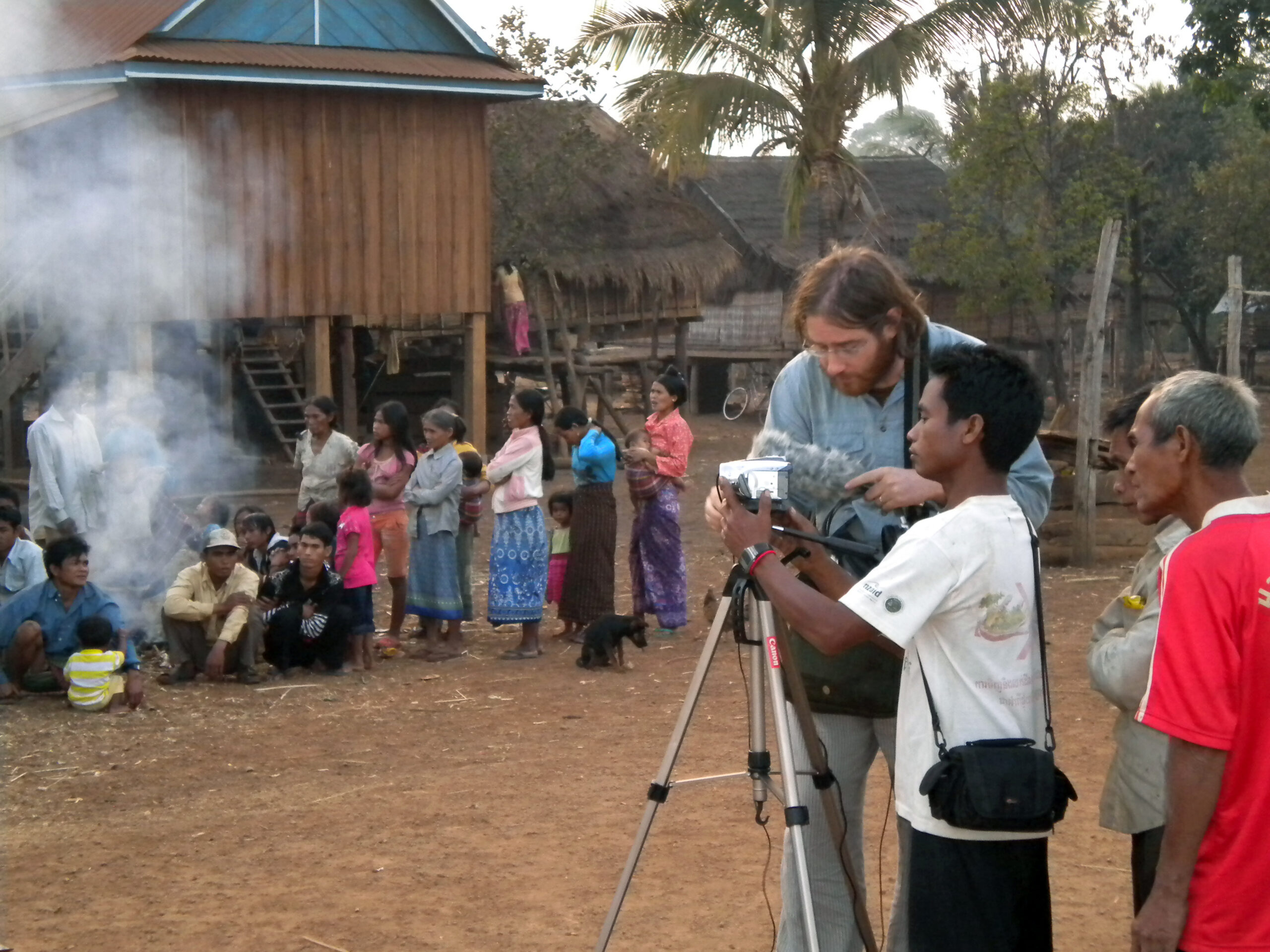
In a small village in northeastern Cambodia, a group of farmers gathered around a camera, determined to tell their story. Their land—1,100 acres of ancestral farmland—had been taken from them by a powerful rubber company with deep political ties. With few options for legal recourse, they turned to an unexpected tool: filmmaking.
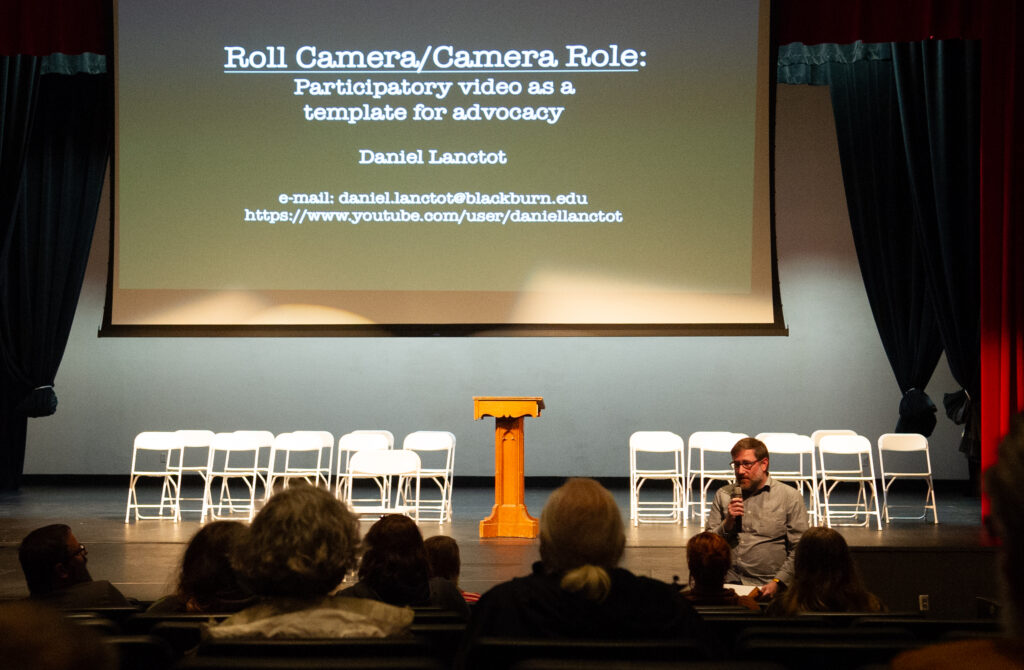
Last spring, Blackburn College counselor Daniel Lanctot shared their story with the campus through a public screening of “Land Lost, Culture Lost” in Bothwell Auditorium. The 31-minute documentary captures the resilience of the Kong Yuk village and explores how participatory filmmaking can empower communities to advocate for themselves.
In this case, the village decided to tell its story by reenacting the deception. They developed a script and filmed it themselves with Lanctot’s help. Their goal was to simply, but urgently, warn their neighbors not to fall into the same trap. As members of the Jarai Indigenous tribe later said, “We wanted our story told. It is worth the risk.”
From Filmmaker to Facilitator
Before his work in mental health, Lanctot explored the power of storytelling through documentary film, often focusing on stories from marginalized communities. Over time, his practice evolved from traditional documentary work—where he served as interviewer, camera operator, and editor—to a participatory approach that placed the storytelling power in the hands of those whose lives were being documented.
That shift in philosophy led him and his wife, Kristin, to Cambodia. After earning her degree in social work from the University of Chicago, Kristin traveled to the country to support capacity-building and efforts to address domestic violence. The couple initially planned to stay for a few months. Instead, they remained for four years, becoming deeply involved in the local community and its efforts to preserve its land and culture.
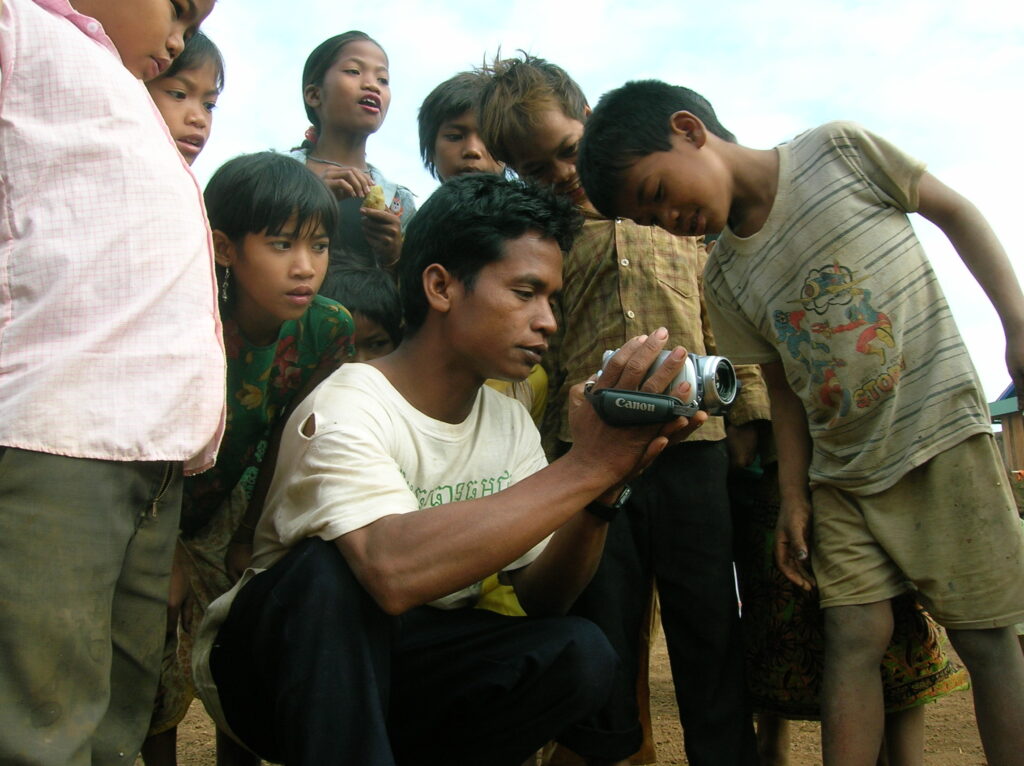
During that time, Daniel worked as a participatory filmmaking facilitator on numerous projects funded by grants from U.S.-based and international organizations that supported creative and community-driven initiatives. These initiatives helped provide villagers with the tools and training to share their experiences through film.
A Film Within a Film
“Land Lost, Culture Lost” was completed in 2011 and co-directed by Lanctot and the people of Kong Yuk. The documentary tells the story of how the village lost its farmland in 2004 when a rubber company claimed more than 1,100 acres of ancestral land. The company’s owner, Keat Kolney, is the sister of Cambodia’s Minister of Economics and Finance and the wife of a senior official in the Ministry of Land Management. Despite legal protections for Indigenous land, the villagers’ case—like many others—was unsuccessful. No land has been returned, and there has been no precedent for restitution in similar cases.
In response, the villagers produced a role-play film that became a tool for advocacy and education—showing neighboring communities how they had been deceived and urging others not to “make the same mistake.” Lanctot recalls that the first version of the role-play film was more than three hours long. The village would gather around a small laptop screen to watch it, captivated each time. Eventually, after several viewings, they decided it might be too long and began editing it down for broader use.
Living and Learning in Community
Beyond the filmmaking, Lanctot remembers the everyday moments of life in Kong Yuk. Evenings were filled with stillness, a time for rest and reflection after long days in the fields. “The sense of community in the village was incredible,” he shared in a campus discussion. “There was such presence—people simply being together after working side by side all day.”
That experience of connection and creative expression continues to influence Lanctot’s work at Blackburn today. This semester, he has introduced art therapy opportunities in the Counseling Center—some hands-on, others digital—that invite students to explore emotion, meaning, and growth through artistic creation. The approach echoes his experiences in Cambodia—using creative processes not only to express oneself but also to heal, connect, and understand.
The Story Continues
The lessons about justice, resilience, and the human desire to be heard continue to influence Lanctot’s work. He continues to use his filmmaking background to create supportive media resources for Blackburn’s students and the campus Counseling Center. This fall, he is piloting “Art Rx,” an art therapy initiative that uses digital and physical artmaking to strengthen student mental health and wellness.
Lanctot likens the work to his experiences in Cambodia. “I act as a witness, coming in without influence, and facilitating the process. It could be making a video or yard signs, what matters most is giving agency and the support to tell their stories.”
“Land Lost, Culture Lost” is available to stream for free on YouTube.